11 August 2026
Pteranodons and Thermals
 Scientific fact
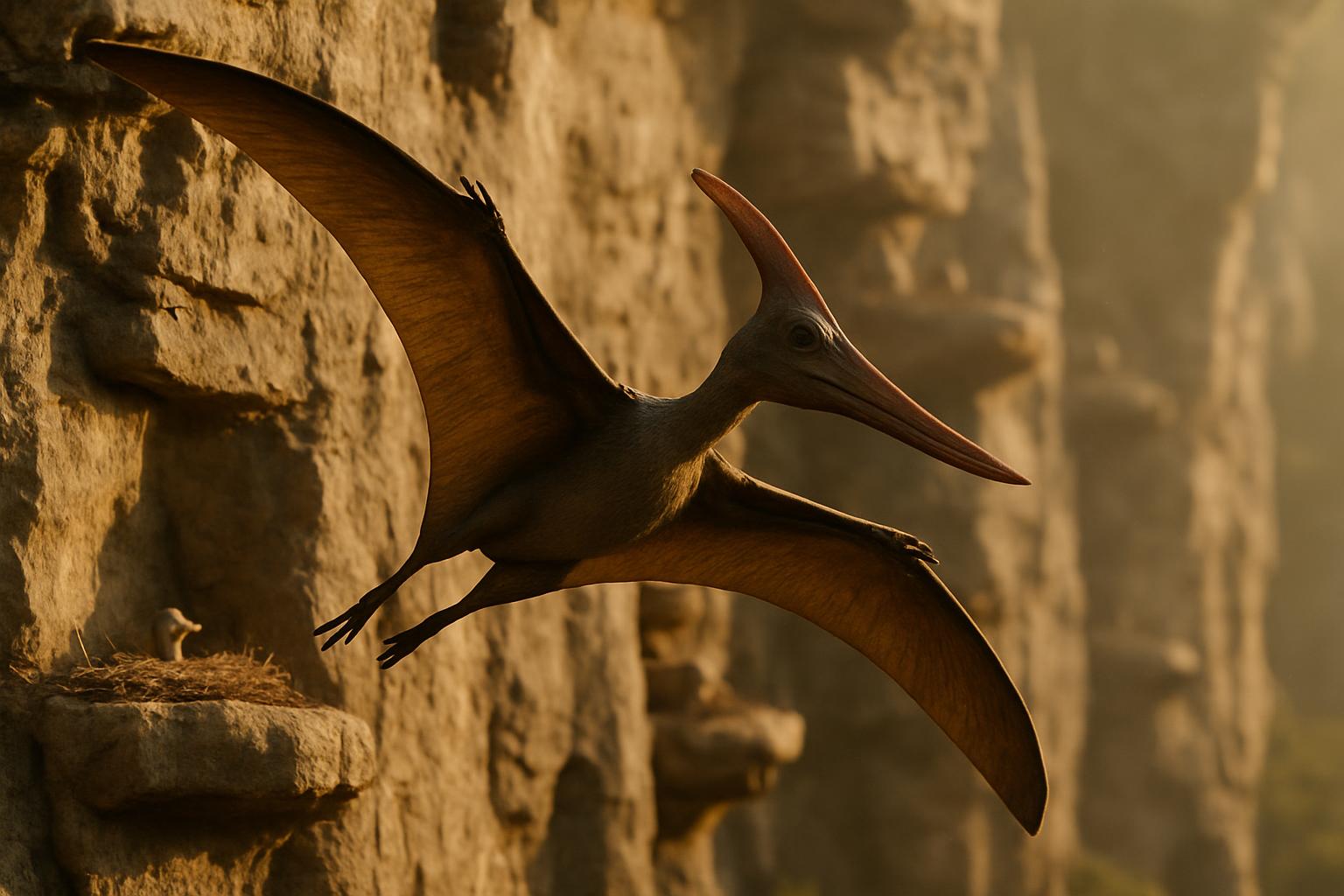
Observers report that adult Pteranodons regularly use warm updrafts along the faces of Ptero Cliffs to gain altitude before foraging trips and when returning to nests. This behaviour is an established ecological strategy: thermals let these winged reptiles conserve energy during maneuvers and reduce the risk of accidents for inexperienced juveniles.
Young Pteranodons from the currently active nests are learning to read updraft strength and direction, beginning with short glides from ledges and progressing to longer trial flights. The mistakes and subsequent adjustments seen in wing and tail control at this stage provide valuable insight into the motor development of Pteranodon longiceps.
Both wing morphology and take‑off site selection matter for a soaring lifestyle. Researchers note nests are placed in zones with predictable thermals and enough clear space for safe altitude gain — this increases fledging success and reduces parental strain during feeding periods.
Implication for JuraLand: preserving open cliff faces and minimizing sudden noise or disturbances at Ptero Cliffs will support natural training behaviours of juvenile Pteranodons, helping maintain a resilient local population over time.
Young Pteranodons from the currently active nests are learning to read updraft strength and direction, beginning with short glides from ledges and progressing to longer trial flights. The mistakes and subsequent adjustments seen in wing and tail control at this stage provide valuable insight into the motor development of Pteranodon longiceps.
Both wing morphology and take‑off site selection matter for a soaring lifestyle. Researchers note nests are placed in zones with predictable thermals and enough clear space for safe altitude gain — this increases fledging success and reduces parental strain during feeding periods.
Implication for JuraLand: preserving open cliff faces and minimizing sudden noise or disturbances at Ptero Cliffs will support natural training behaviours of juvenile Pteranodons, helping maintain a resilient local population over time.